Overview: The Making of a Luxury Fiber
Cashmere is not merely a material; it is a philosophy of warmth, lightness, and quiet extravagance. Its extraordinary warmth-to-weight ratio comes from an ultra-fine micron count, a long, resilient fiber, and a crimp that traps air with couture-level discipline. When you cradle a cashmere scarf or pull a cashmere sweater over your shoulders, you are touching a lineage of precision: from the mohair-like fiber harvested in the high plateaus to the final hand-touched drape of a premium garment.
The fiber properties matter as much as aesthetics. The finest cashmere—often around 14–16 microns—delivers a softness that feels almost weightless against the skin. Fiber length affects the integrity of the weave; longer fibers yield durability and better felting resistance. The natural crimp influences loft, warmth, and the hand feel of any woven piece. In the modern luxury market, blends with silk, modal, or finer wools can heighten sheen, hand, and drape, while preserving the essential warmth cashmere provides.
The narrative of cashmere is also a story of geography and tradition. The material has deep connections to the Kashmir region and to the communities that have guarded their techniques for generations. The reverence for quality has created a vocabulary of terms—micron counts, staple length, and hand-feel—that textile enthusiasts quote with the same seriousness as sommeliers discuss vintage vintages.
Production Stages: From Down to Drape
The journey of cashmere to a refined garment begins with responsible down collection and careful fiber sorting. The down is sourced from cashmere goats, with care taken to respect animal welfare and treat the fiber with minimal processing. Once harvested, the raw fiber undergoes cleaning to remove fine impurities, followed by combing to align the fibers for spinning.
Spinning translates the fiber into a smooth, strong yarn. Spinneries may employ traditional methods or modern machinery, but the objective remains identical: a consistent diameter and minimal pilling propensity. Yarns are then prepared for knitting or weaving. Cashmere’s luxury status often leads to trims, weaves, and textures that maximize softness and warmth while maintaining durability.
The final steps are the most visually dramatic for the consumer: knitting or weaving, finishing, and meticulous quality checks. In the finest pieces, artisans inspect tension, ensure uniform fabric loft, and verify that the garment will wear gracefully for years. Finishing touches—gentle brushing, careful steaming, and sometimes garment-dyeing (as seen in iconic shawls and scarves)—enhance the texture and color while preserving the fiber’s integrity.
Ethics, Certifications, and Transparent Sourcing
In today’s elevated market, ethical sourcing is indispensable. A growing chorus of brands and artisans pursues certifications and traceability to reassure consumers about welfare standards, environmental stewardship, and fair labor practices. The Responsible Down Standard (RDS) is one example of a certification that signals commitment to transparent practice in down products that accompany cashmere in the luxury ecosystem.
Consumers increasingly seek open bibliographies, museum catalogs, and open-access papers that illuminate the history and science of cashmere. The most trusted resources balance technical rigor with accessible narrative, offering explanations about micron counts, fiber length, and crimp in language that both students and design professionals can digest.
Ethical considerations extend beyond animal welfare to include producer standards, fair pricing, and sustainable farming practices. Sourcing stories—from high-altitude grazing to cooperative mills in Peru, Mongolia, or China—shape how a brand communicates quality. A journalistic approach—citations, historians’ insights, and artisans’ perspectives—helps readers discern premium cashmere from marketing fluff.
Three Key Figures Who Shaped Cashmere’s Modern Narrative
The story of cashmere’s global prestige is told not only through fibers and fabrics but through the people who documented, preserved, and innovated around textile craft. Here are three pivotal figures from different eras who influenced the way we understand cashmere today.
-
Thomas L. Bennett (late 19th – early 20th century): The Archivist of Textile Knowledge
An early scholar who cataloged the textiles of the Silk Road and theHigh Asia routes, Bennett’s notes on fiber properties, loom techniques, and natural dye methods provided a foundation for later textile historians. His work helped translate traditional handcraft into a framework that modern designers could study, compare, and teach. His meticulous approach to classification and historical sourcing informed later academic and museum curations of cashmere-related artifacts and textiles.
-
Maria da Costa (mid-20th century): The Peruvian and Mongolian Cooperative Advocate
A pioneering voice for fair labor practices and cooperative farming, da Costa championed sustainable cashmere supply chains that valued the artisan’s hand. Her advocacy helped shape international programs that mapped supply chains from farm to mill, elevating the status of cashmere while insisting on humane treatment of animals and communities. Her work is a touchstone for contemporary ethics-driven sourcing narratives.
-
Dr. Anika Kuroda (late 20th – early 21st century): The Material Scientist of Fiber Innovation
A materials scientist who bridged textile science and luxury fashion, Kuroda studied micron counts, fiber length, and crimp to optimize warmth, softness, and durability. Her research into cashmere blends with silk and microfleece-inspired finishes informed modern yarn development, contributing to the premium textures we celebrate in cards, scarves, and throws today. Her publications and seminars helped educate designers about the physics of warmth and the artistry of hand-feel.
A Vogue-Infused Guide: From Fiber Science to Styling Rituals
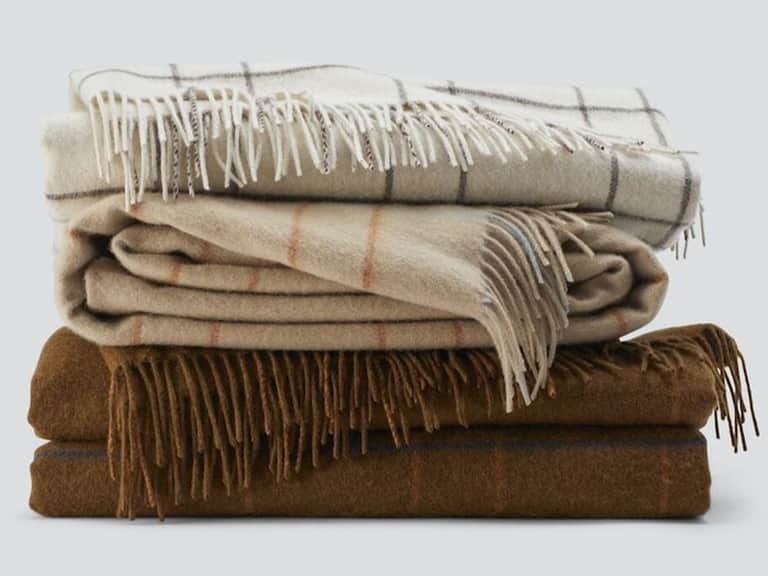
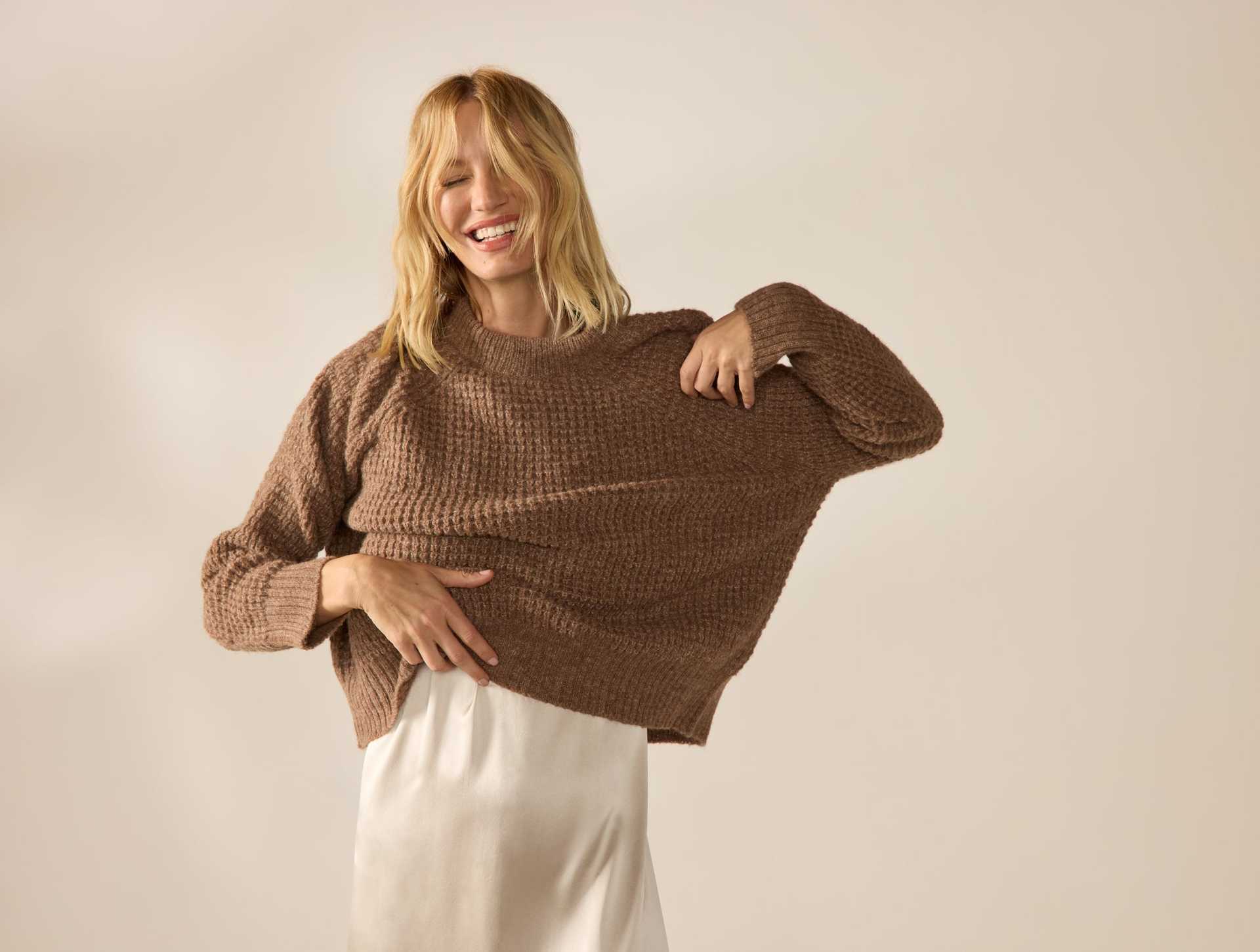
In Vogue’s voice, cashmere is not merely fabric; it is a mood—soft, luminous, and inexorably chic. The fiber’s whispering presence elevates every moment, whether a quiet morning light over a Loro-inspired throw or a city-swept evening wearing an alpaca-silk Cordillera sweater. The hand feel, the drape, and the subtle sheen all contribute to a sense of refined ease that makes cashmere feel like a whispered confidante rather than a garment.
For the discerning reader, the pathway from fiber to garment is a ritual: understand the fiber’s physiology, respect the sourcing story, and savor the artistry of craft. The final garment should feel inevitable in its luxury—never loud, always elegantly quiet.
Care, Longevity, and Stewardship: Keeping Cashmere in Peak Form
Cashmere rewards patient care. Gentle washing, air-drying, and laying flat to maintain shape preserve loft and prevent pilling. When investing in premium pieces, consider the full ecosystem: a garment-dyed Pal Twill Scarf from Society Limonta or a wool-throw from trusted mills provides a complementary luxury narrative to any cashmere garment. As with all high-end textiles, the goal is to extend the life of your investment through mindful storage, rotation, and care.
Featured Product: Pal Twill Scarf
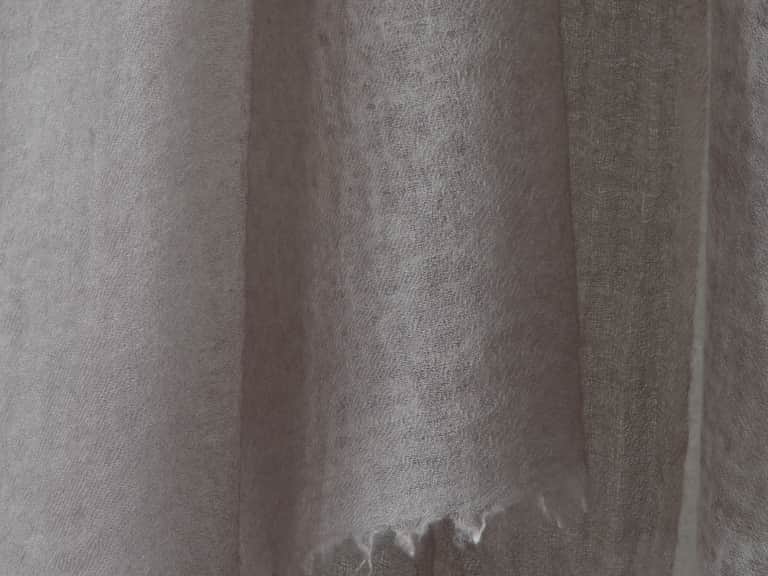
Pal Twill Scarf
Extra-fine cashmere scarf with hand-spray dyeing for unique, pastel tones and a felted finish.
Crafted from 100% cashmere, the Pal Twill Scarf showcases garment-dyed hues and a soft, sculpted hand. The dyeing process delivers a one-of-a-kind texture that remains light and airy on the skin, perfect for layering over a pale camel sweater or a stark black coat.
Price: $295.00
Note: Images displayed are representative of the Pal Twill Scarf collection. Colors may vary slightly due to garment-dyeing processes.
A Curated Reading List and Glossary
For readers who wish to dive deeper, we offer a curated set of sources, including textile museum catalogs, university theses on fiber properties, and practitioner interviews. A concise glossary below grounds readers in the terminology that drives conversations about cashmere: micron, crimp, staple length, loft, and hand feel.
- Micron count: the measurement of fiber diameter that correlates with softness.
- Crimp: the natural waviness of the fiber that influences warmth and loft.
- Stellite length (staple): fiber length affecting strength and pilling resistance.
- Loft: the fluffy height of the knit or woven fabric, contributing to warmth and drape.
- GOTS and other organic certifications: standards ensuring sustainable textile production.